
English
Writing at Offmore
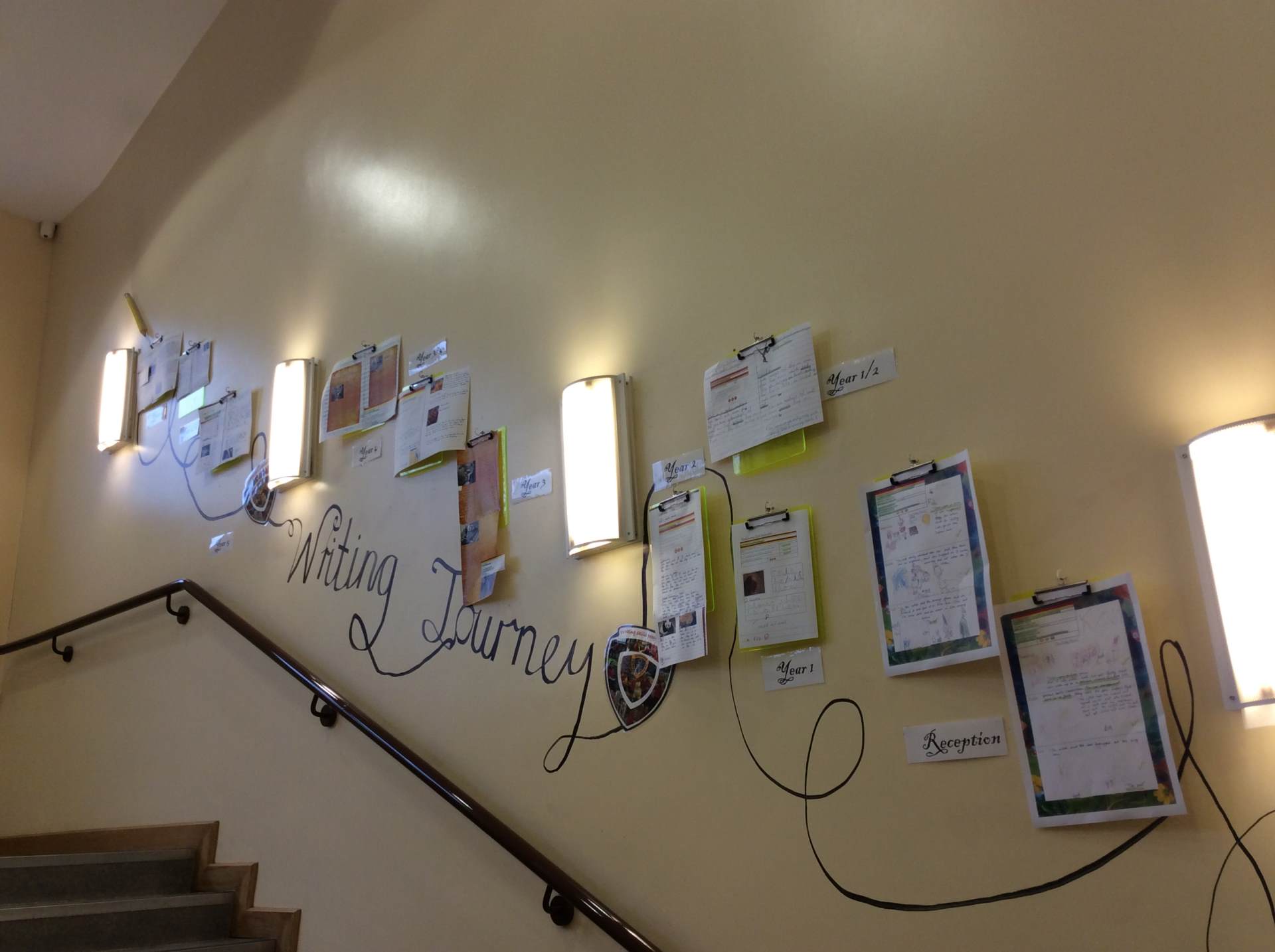
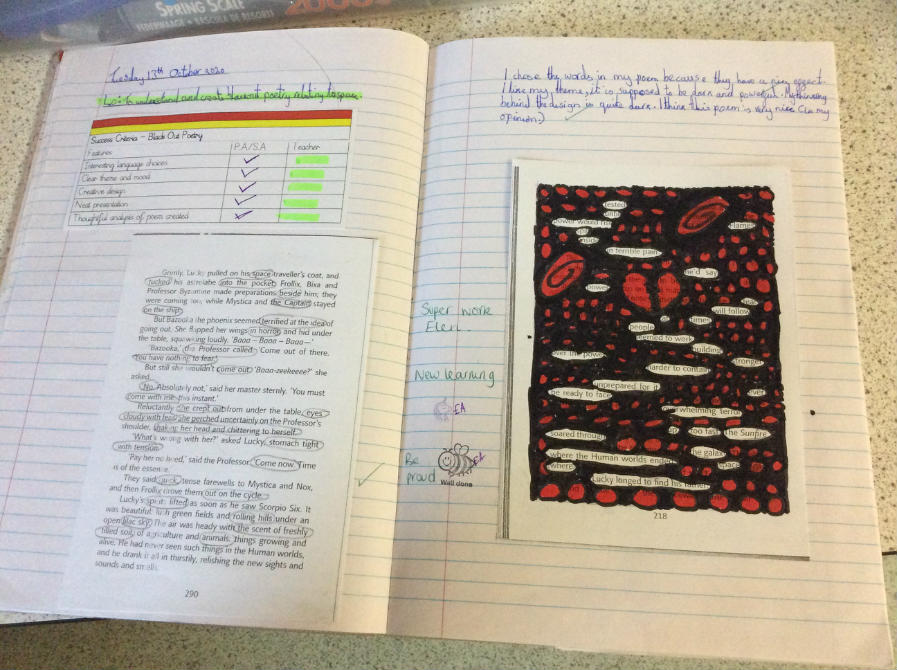
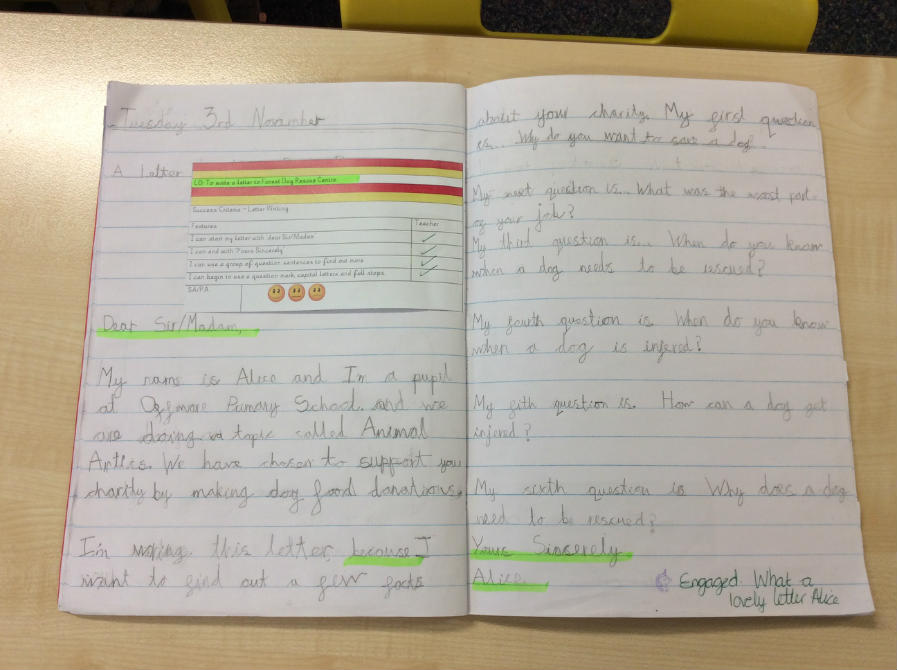
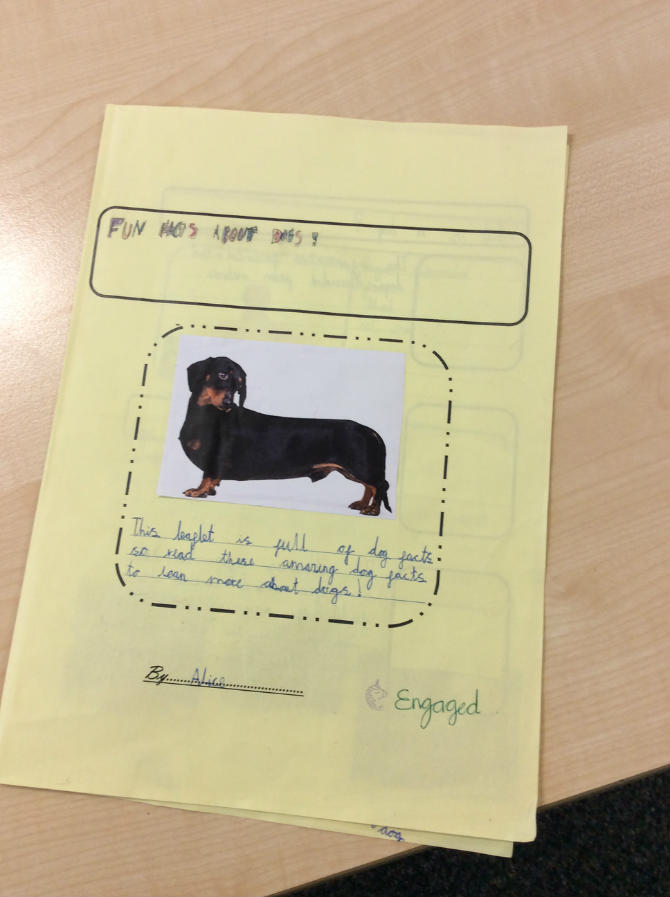
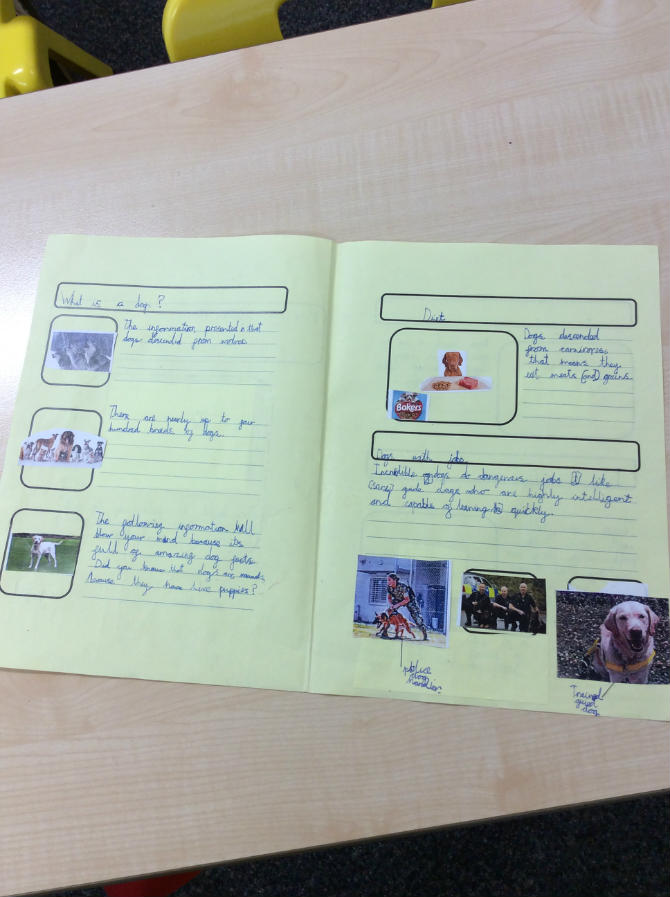
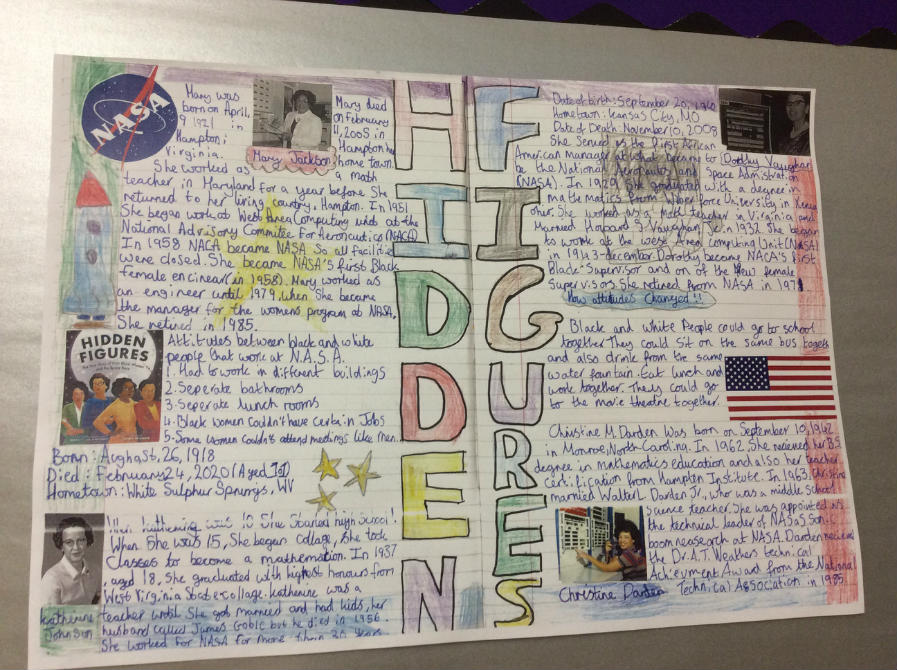
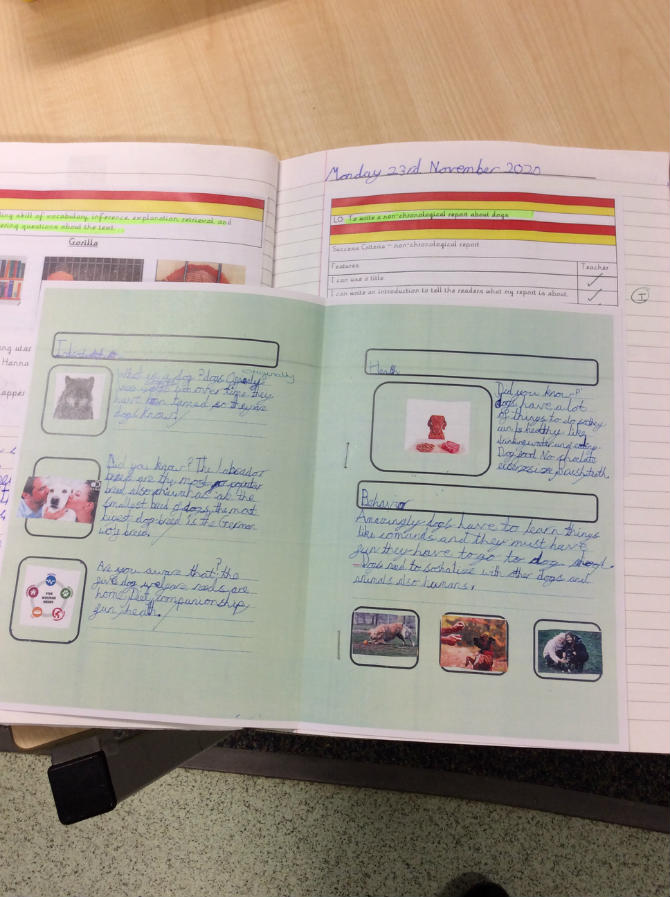
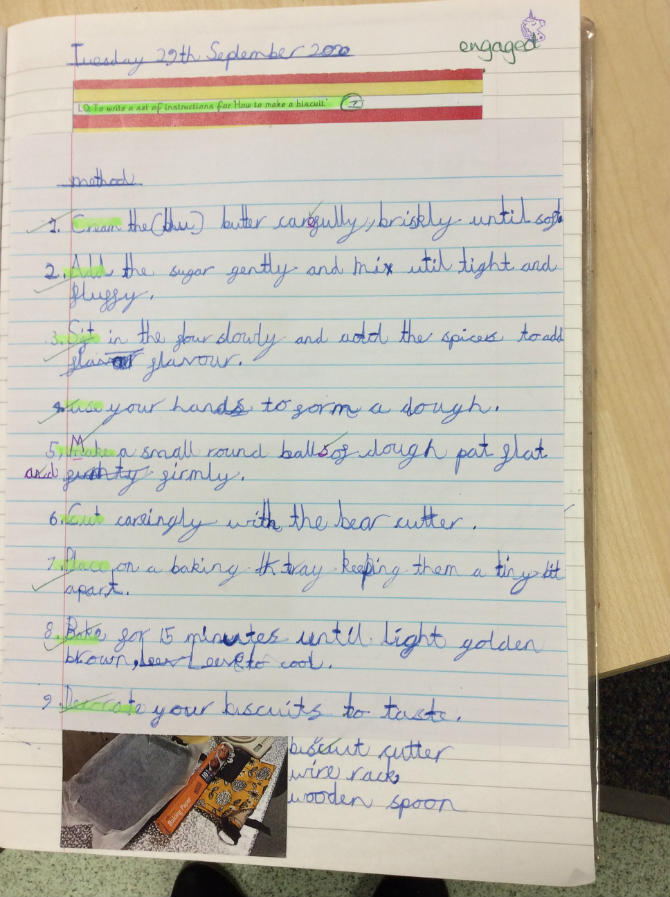
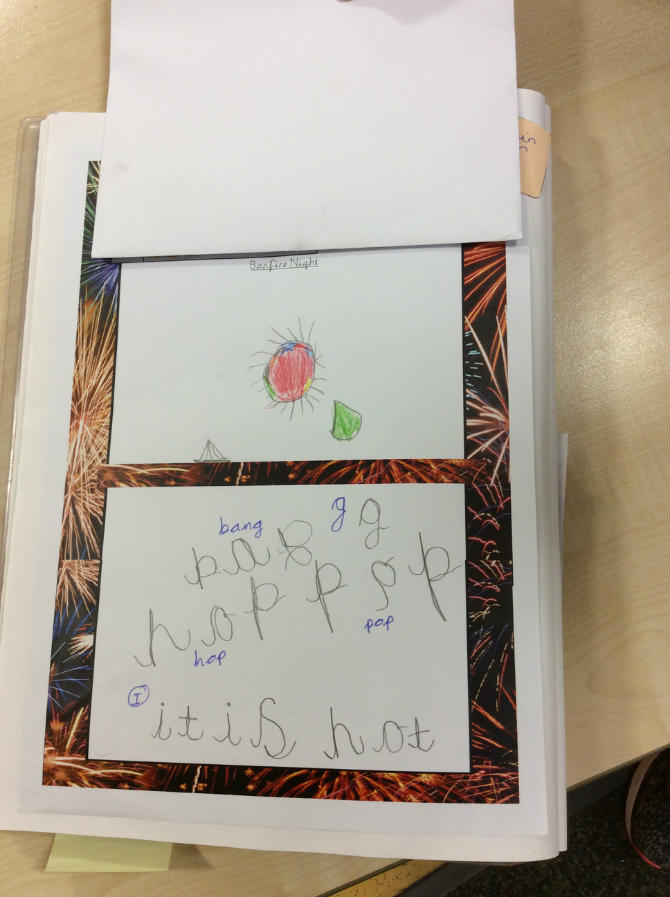
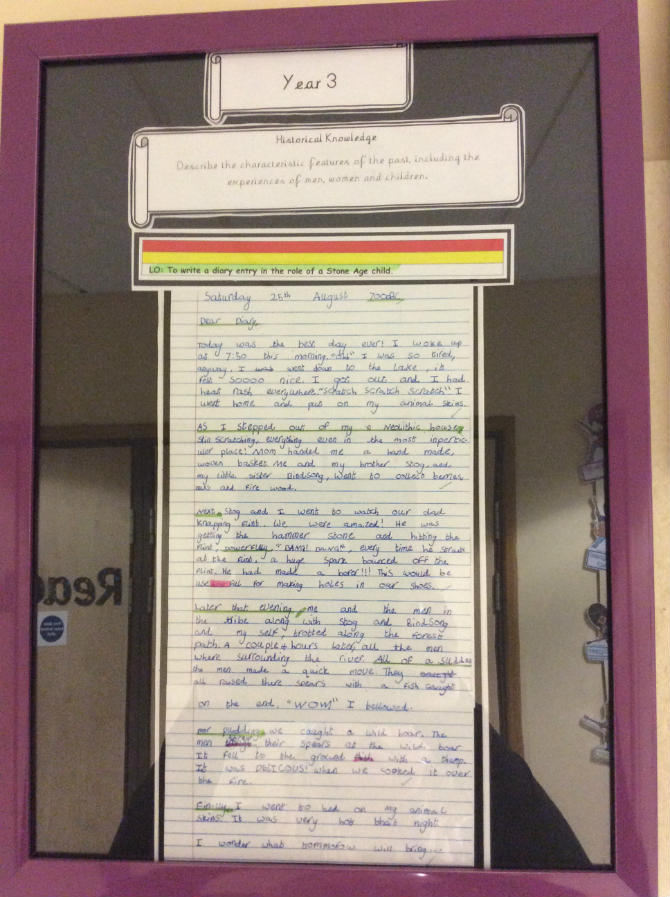
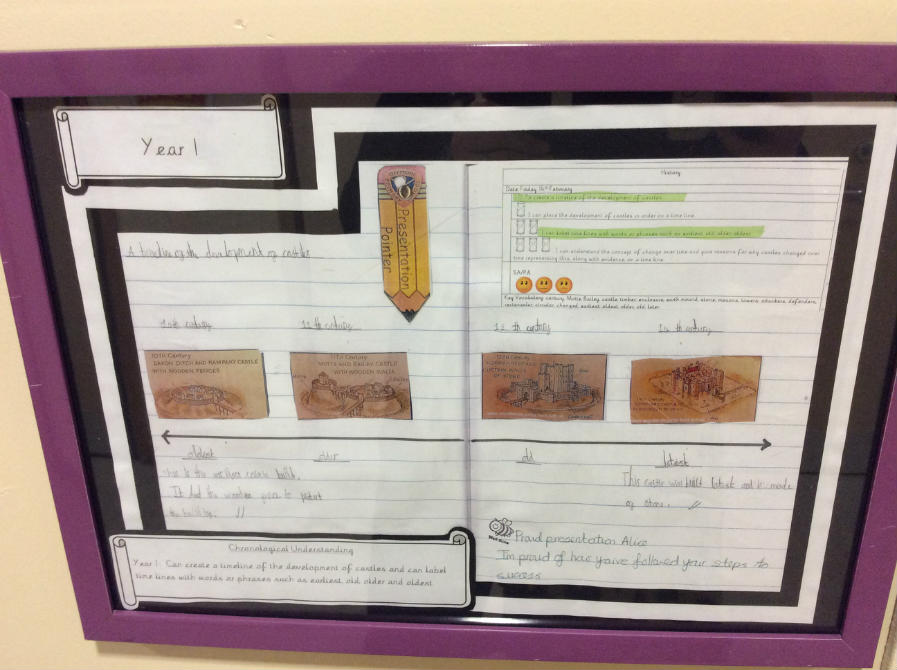
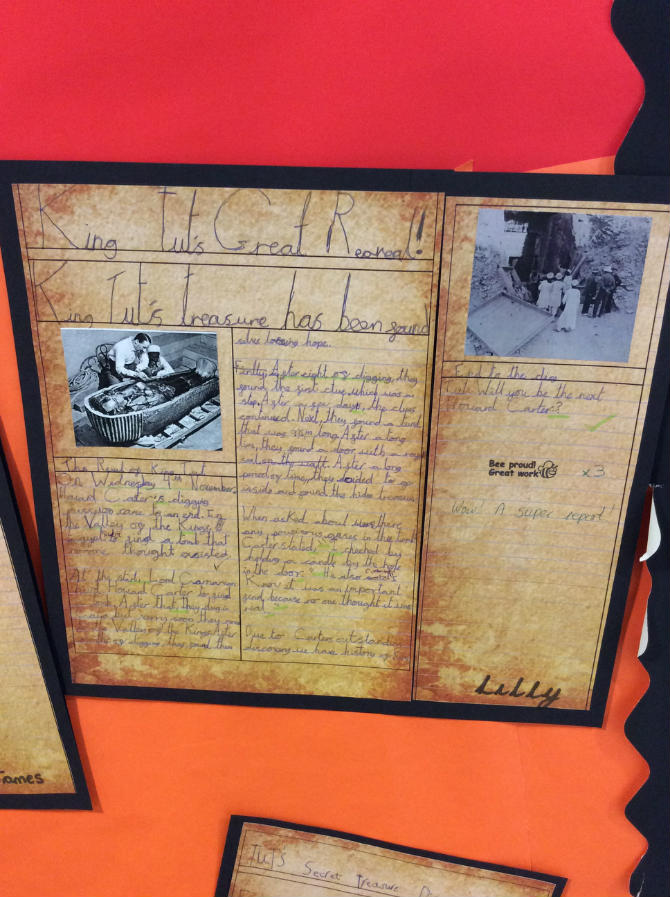
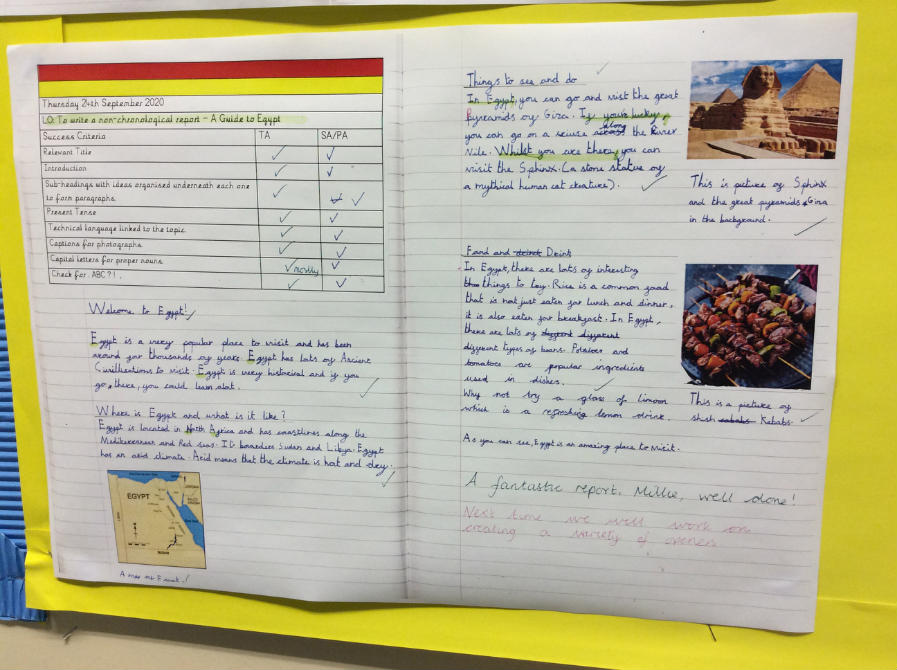
We are so proud of our writing that each month every teacher will chose an impressive piece of writing to be displayed on our Writing Journey display. Make sure you take a look when you visit. You will be impressed with the writing you will see.
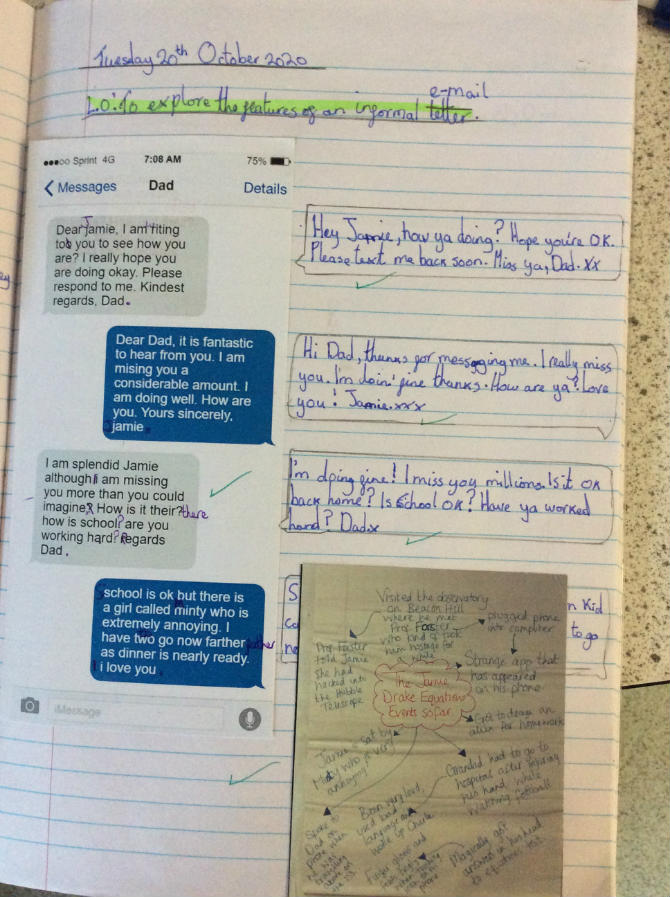
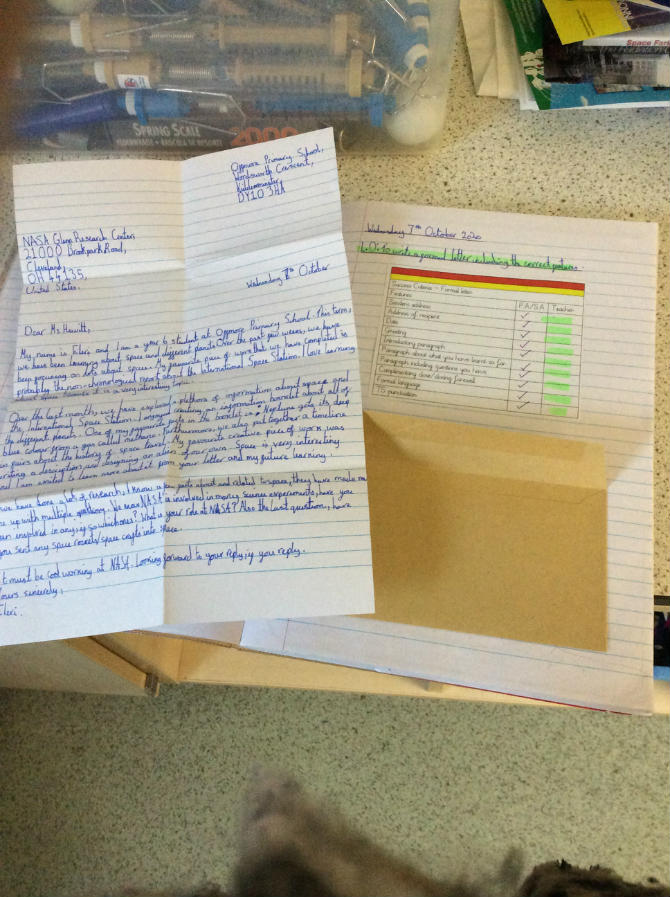
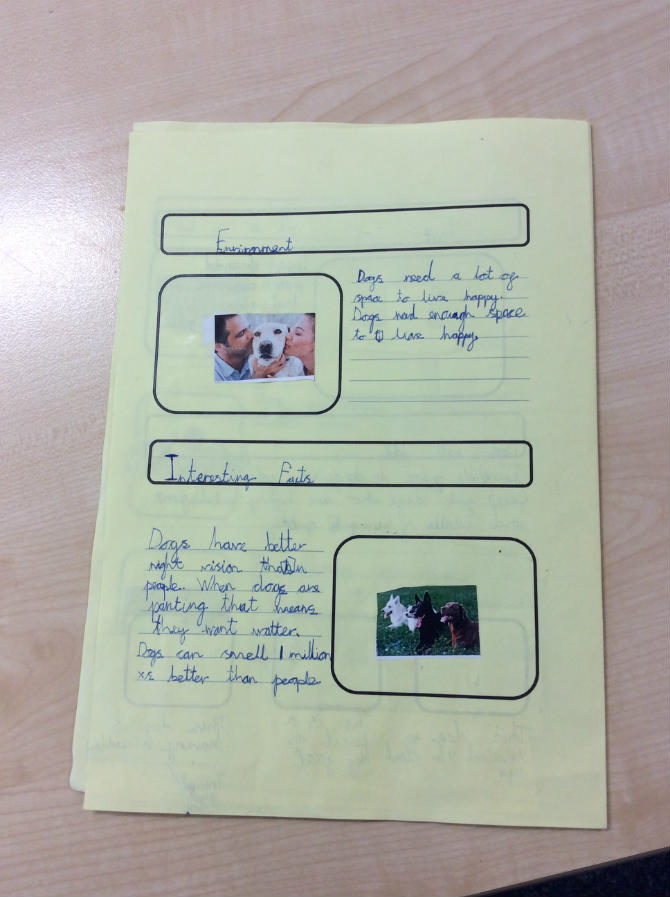
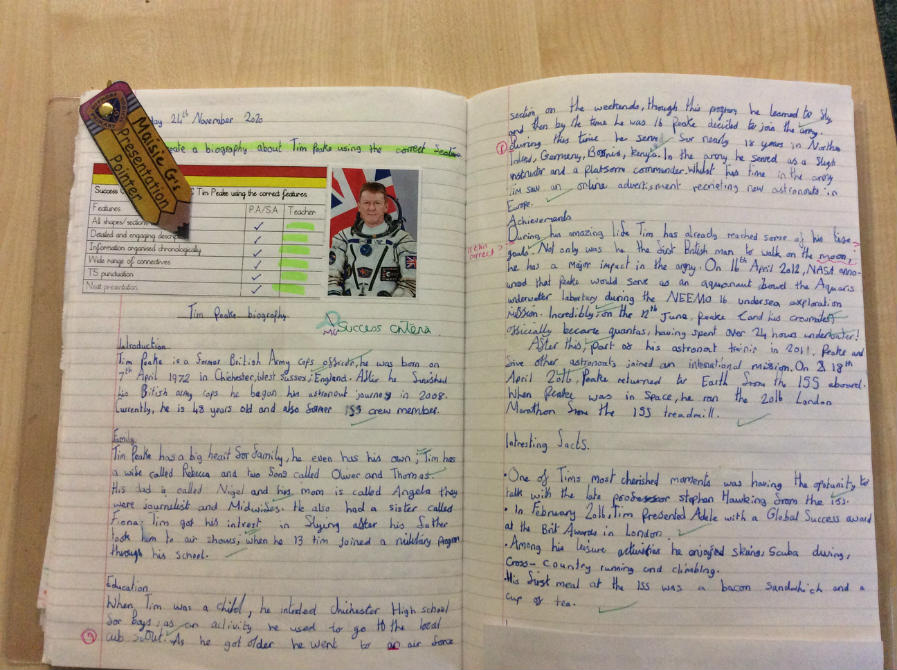
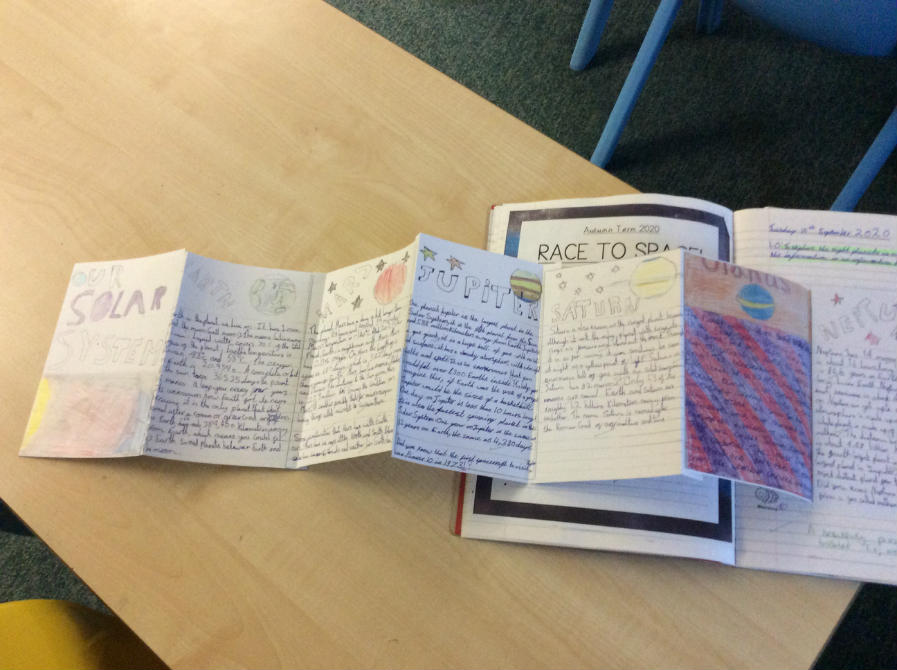
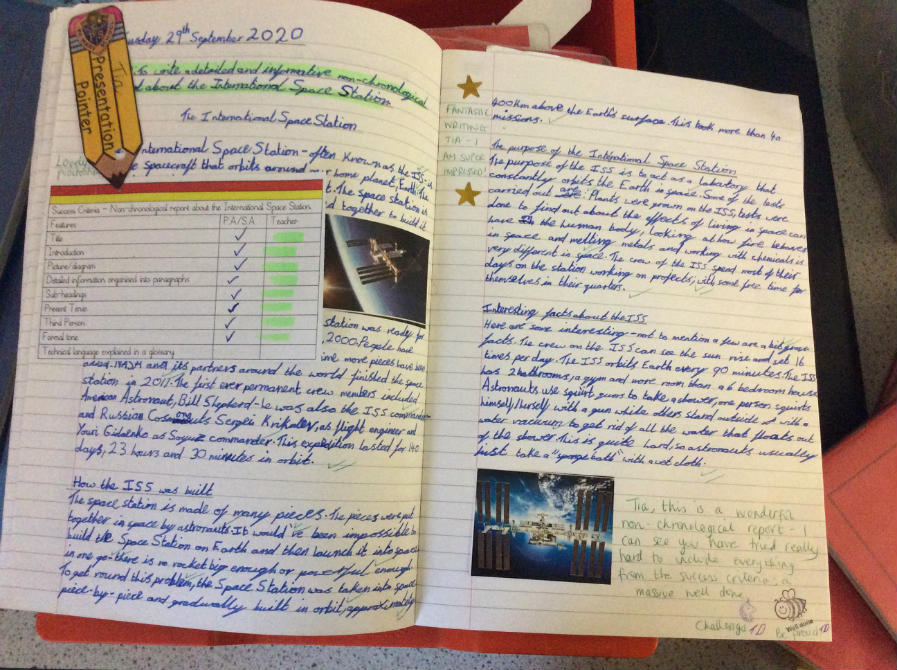
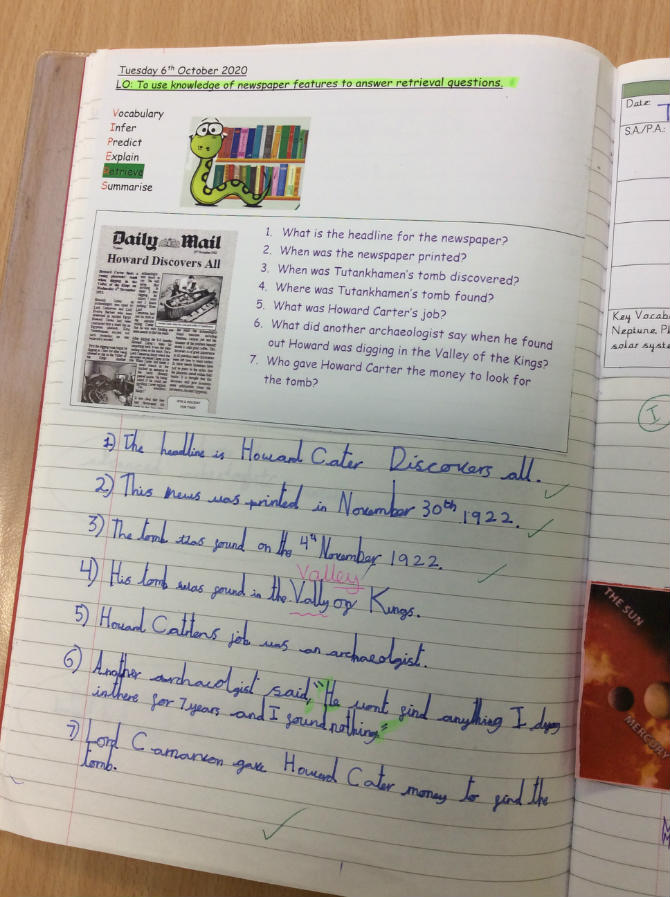
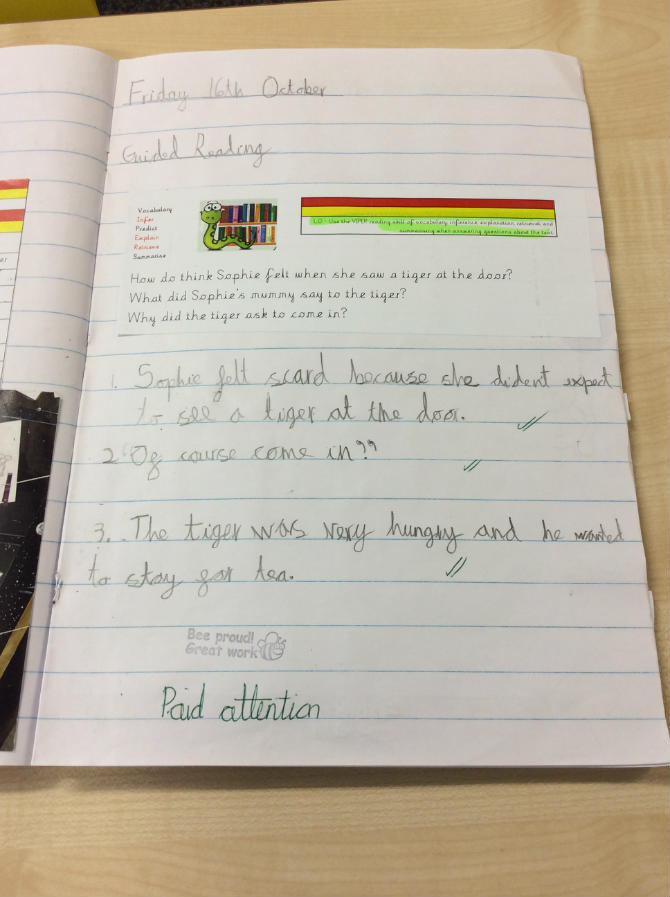
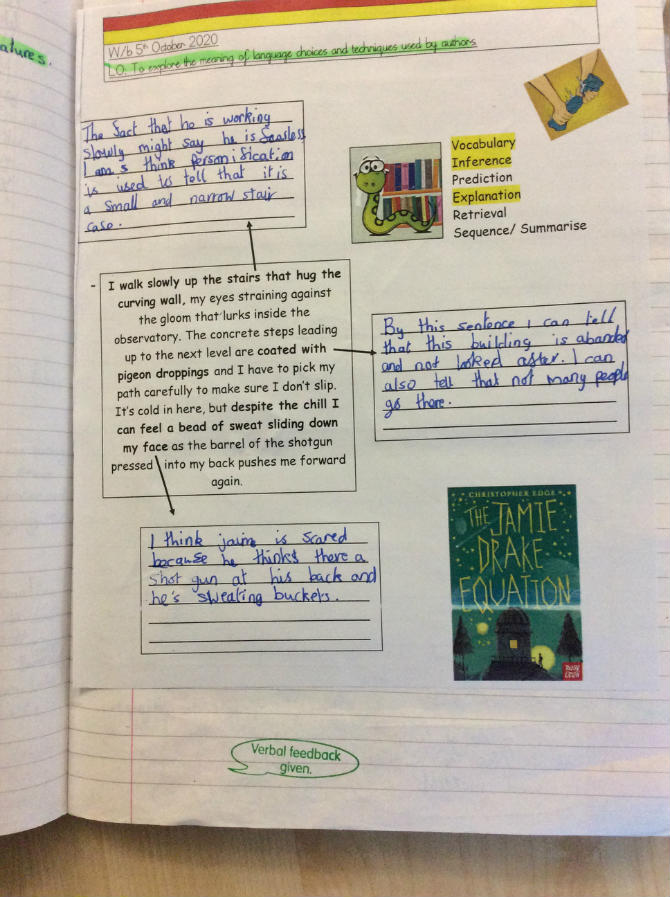
Success in any curriculum area depends upon good basic writing skills. It provides children with an important form of self-expression and creativity as well as making available to them the wealth of the written word. Here at Offmore, the children have daily English lessons, that are driven by rich texts, that link in to our exciting and engaging topics. They are taught vital skills such as planning their writing, drafting ideas as well as editing and improving what they have written. They have the opportunity to write for a number of different audiences and to explore writing lots of different text types such as letters, narratives, instructions and much more. Our lessons also encapsulate the teaching of spelling, punctuation and grammar by giving it context.
Have a look at the slideshow below to see all of the fantastic writing opportunities the children have at Offmore.
Writing Policy
Writing in the Early Years
curriculum lead english eyfs puffins.pdf
To support writing in Early Years the children are confident in able to re-tell stories and recite nursery rhymes.
Take a look at what they learn during their time in Early Years.
Early Years story telling journey
Early Years Rhyme Time (Early Years menu tab)
Spelling
At Offmore, from Year 1, we use Spelling Shed to teach spelling. Each week, class teachers will set a list of words for the children to learn which will be the spellings they are quizzed on weekly. These will appear on the child’s home screen if set. If these specific words are not set, a child is still able to practise and play relevant spelling words for their year group. The stages reference the year group e.g. stage 2 = year 2. It is so important to keep revising previous year group’s spellings throughout a child’s spelling journey.
Additionally, class teachers may set topical words to practise or any words relevant for revision of previous rules etc. Children can choose to access any spellings from their year group to help improve their spelling by clicking on more lists/ the relevant stage. Spelling lists will also be put into children’s reading diaries each week. There are many other fun ways to practise spelling, such as:
*Make it in playdoh or slime.
*Rainbow write it
*Define it
*Write it backwards
*Pyramid build it
*Write it in funky writing
Parents Guide to Spelling Shed:
parent guide for spelling shed 2 .pdf
Handwriting
At Offmore our handwriting programme links to our systematic phonics approach. You will see an example below.
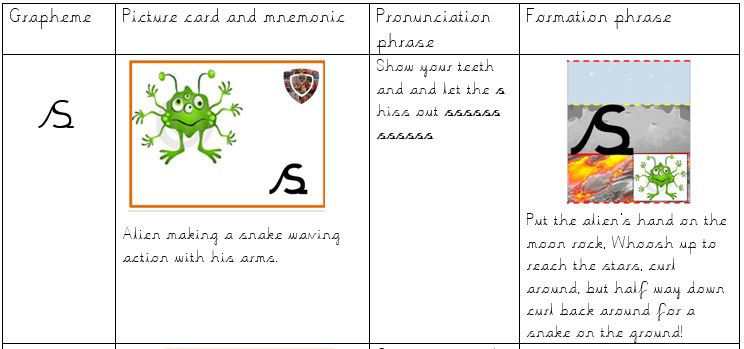
The handwriting images are displayed in each classroom and modelled throughout all teaching.
letter formation support mats pptx.pdf
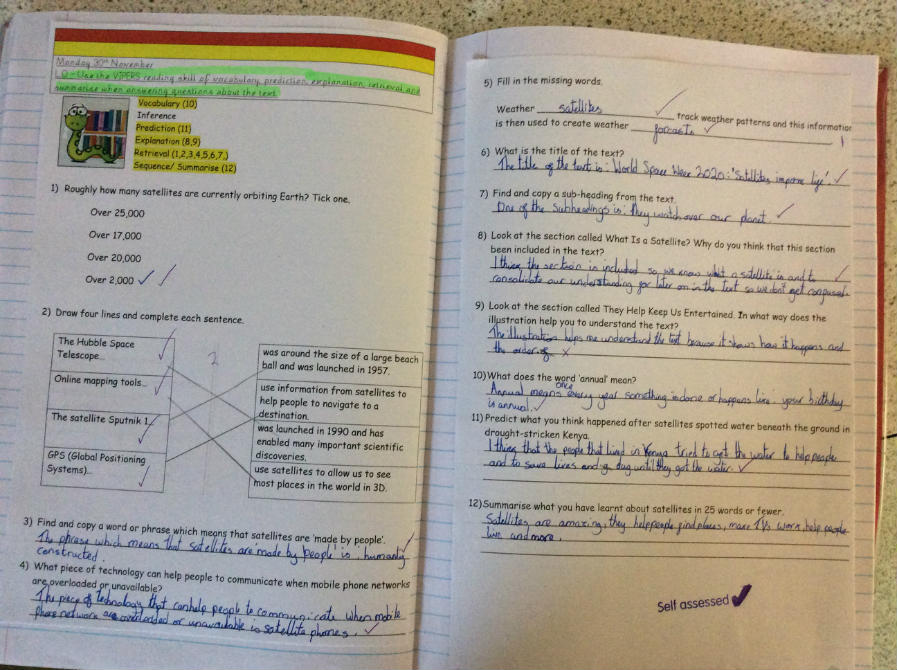
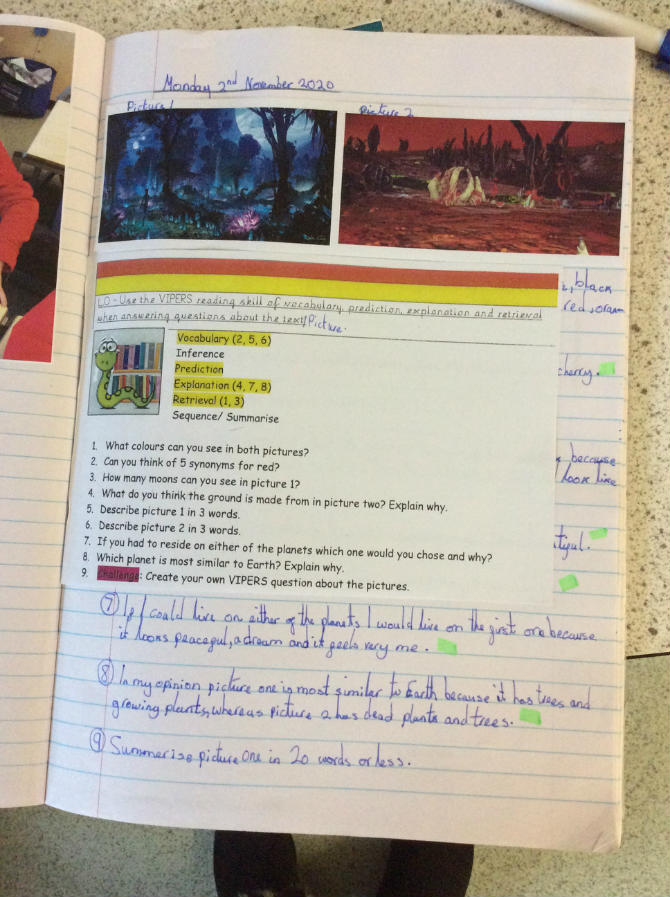
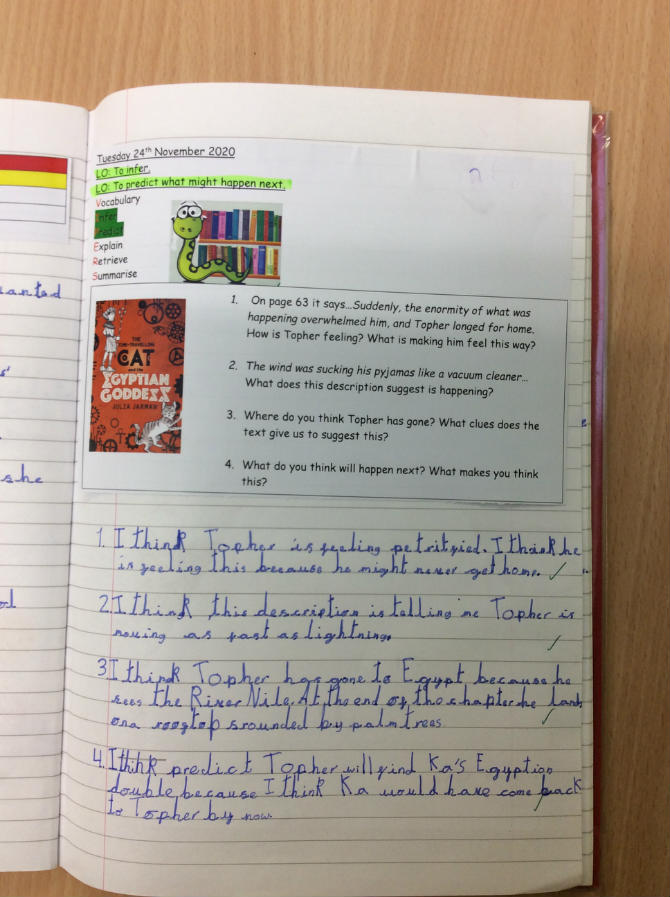
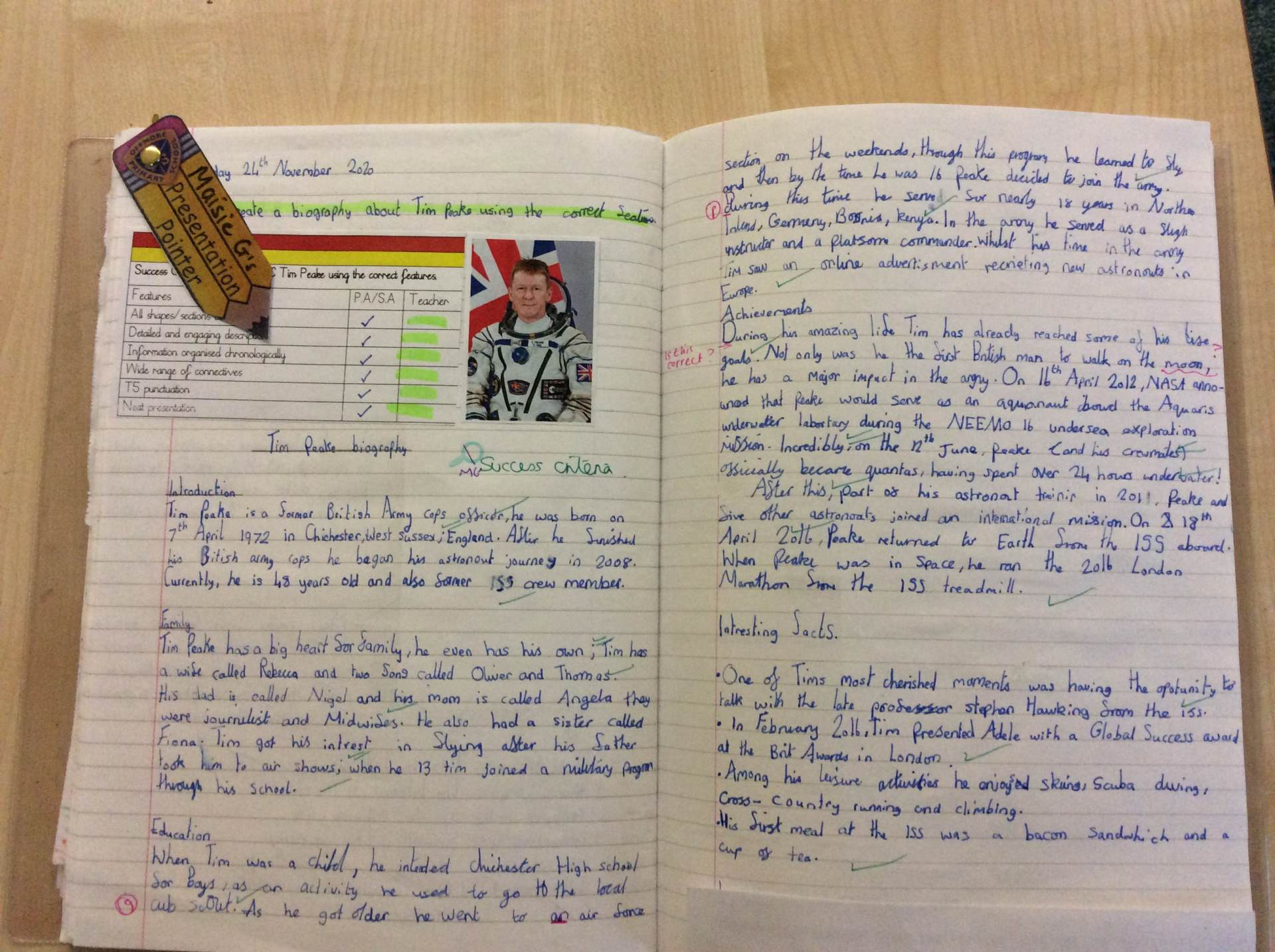
We are really proud of our presentation at Offmore and know that 'If it isn't nice, then we do it twice'! We have presentation pointers that we move to show where our best piece of writing is and this ensures we are constantly trying to get better!
Spiritual, Moral, Social and Cultural Development in English
english smsc statement complete.pdf
Useful Websites
These links take you to sites with lots of different games to help you develop your writing skills.
WRITING STRUCTURE
http://www.bbc.co.uk/schools/starship/english/storyplant.shtml
http://home.freeuk.net/elloughton13/characte.htm
http://www.bbc.co.uk/schools/starship/english/storyplant.shtml
http://home.freeuk.net/elloughton13/characte.htm
SPELLING
http://www.bbc.co.uk/schools/wordsandpictures/phonics/sandcastle/flash/game.shtml
http://teacher.scholastic.com/activities/adventure/grammar4.htm
http://www.crickweb.co.uk/ks2literacy.html#alienhangman
http://www.ictgames.com/plankgame.html
http://www.ngfl-cymru.org.uk/vtc/ngfl/eng/ks2/english/writing/spelling/wordsearch_pedwards/index.html


